Japanese train station kanji: read Tokyo signs (JLPT N5)
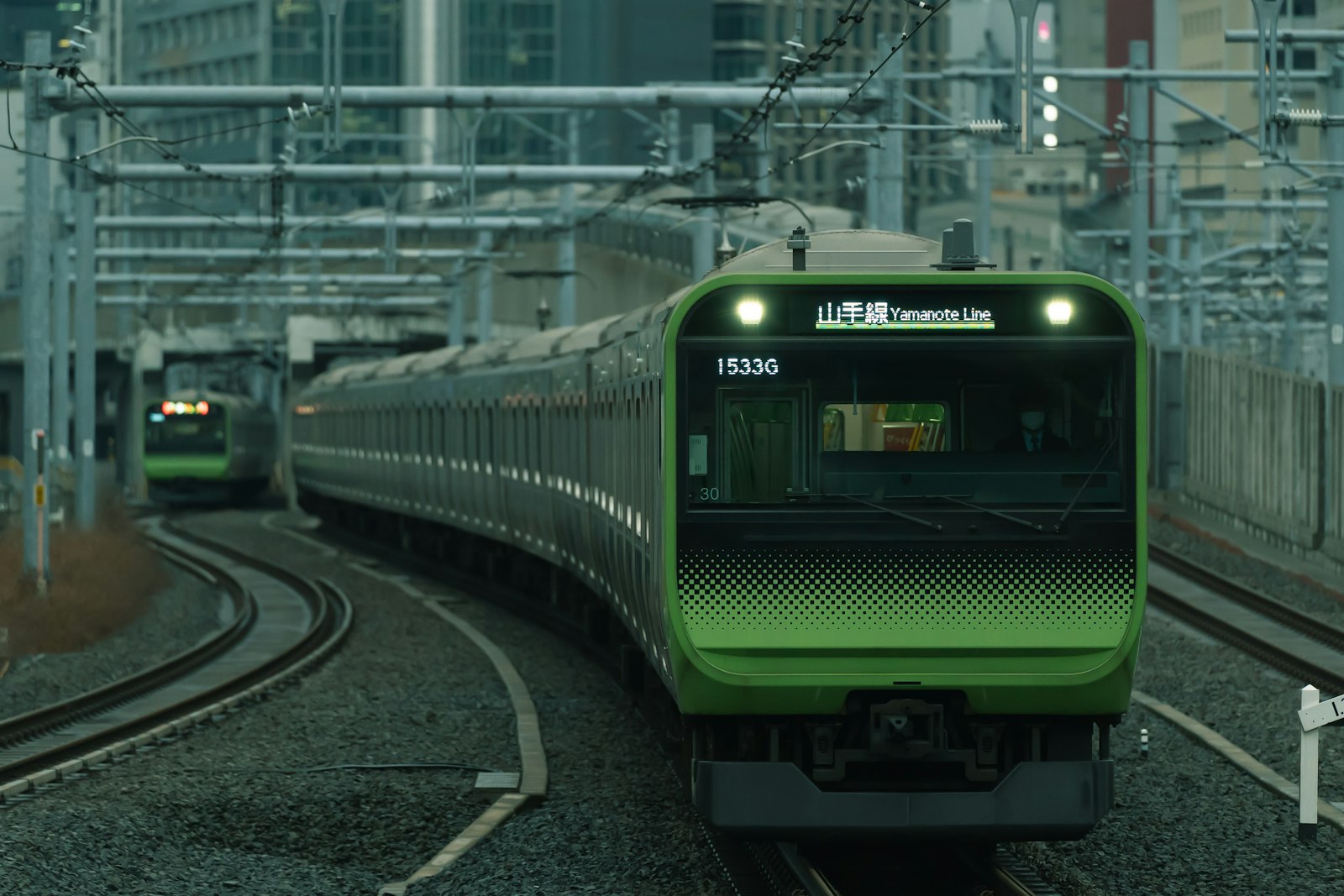
If you can read 12 kanji, you can ride any train in Tokyo. No app translations, no asking for help, no missed stops. This guide covers the exact characters you'll see on station signs, fare boards, and exit markers — with photos shot live on the Yamanote line.
The 12 kanji you actually need
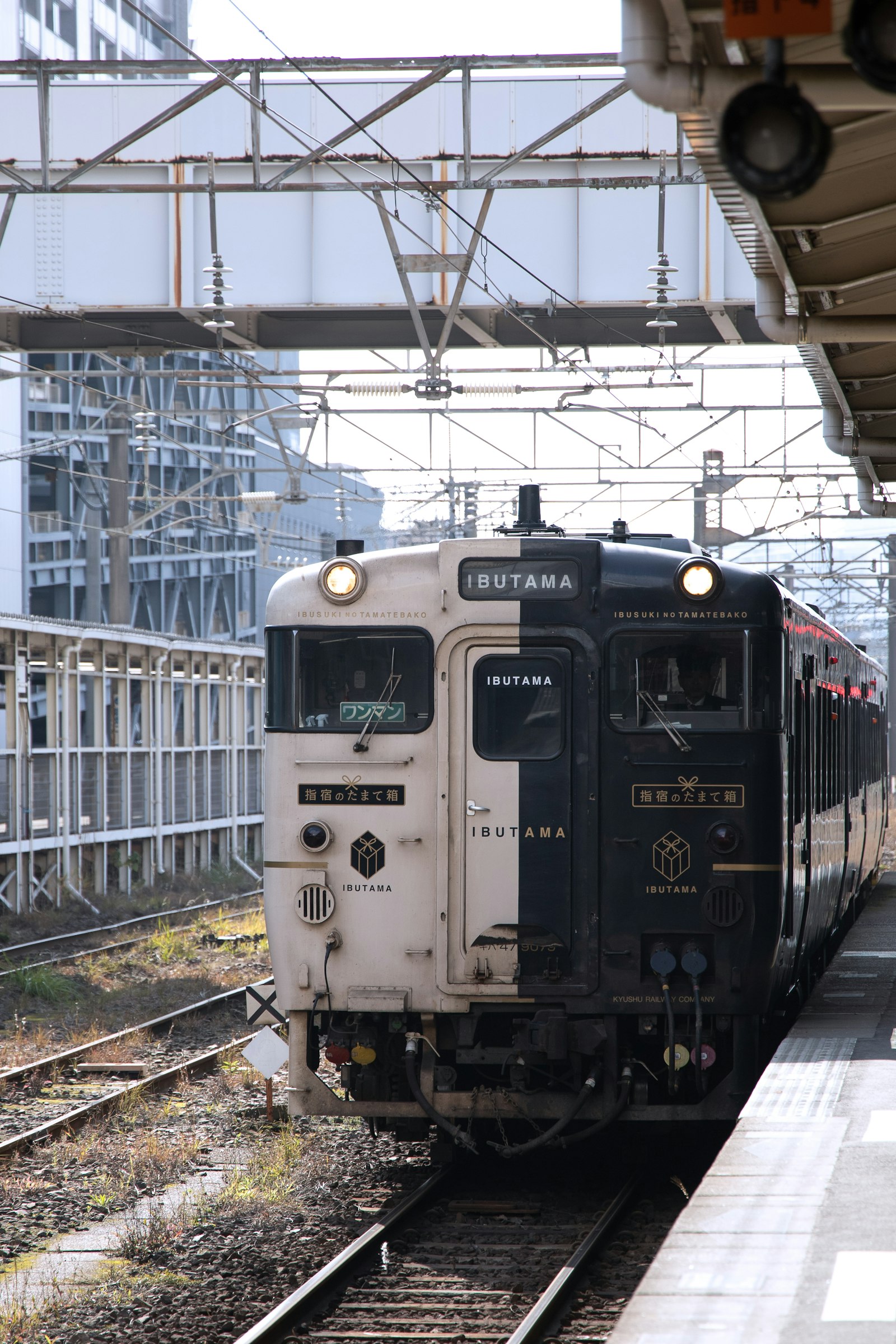
Forget the textbook order. These are the highest-frequency kanji on Tokyo train signage, ranked by how often you'll see them in a single commute.
1. 駅 (eki) — station
Every station name on every sign ends with this character. Once you can spot 駅, you can find any station name on a map. JLPT level: N5.
- 東京駅 (Tōkyō-eki) — Tokyo Station
- 新宿駅 (Shinjuku-eki) — Shinjuku Station
- 渋谷駅 (Shibuya-eki) — Shibuya Station
2. 線 (sen) — line
Names every train line. 山手線 (Yamanote-sen), 中央線 (Chūō-sen), 銀座線 (Ginza-sen). The character on its own means "line" or "thread" — same root as a sewing line. JLPT N5.
3. 出口 (deguchi) — exit
Two kanji: 出 (out) + 口 (mouth/opening). When you're trying to leave a station, this is the only word that matters. You'll see it followed by a number or letter: 南口 (south exit), 東口 (east exit), A2出口 (exit A2). JLPT N5.
4. 入口 (iriguchi) — entrance
The opposite. 入 (in) + 口 (mouth). Used at ticket gates and station entrances. JLPT N5.
5. 乗り換え (norikae) — transfer
Shows where to switch lines. The full word is rarely written in pure kanji — you'll see 乗り換え with kana on most signs. The first character 乗 (ride) is the one to memorize. JLPT N4.
6. 改札口 (kaisatsuguchi) — ticket gate
Three kanji together. You don't need to read each one — just recognize the cluster. It's the only place where you tap your IC card to enter or leave the paid zone. JLPT N3 (but you'll see it on day one).
7–10. The four directions: 東西南北
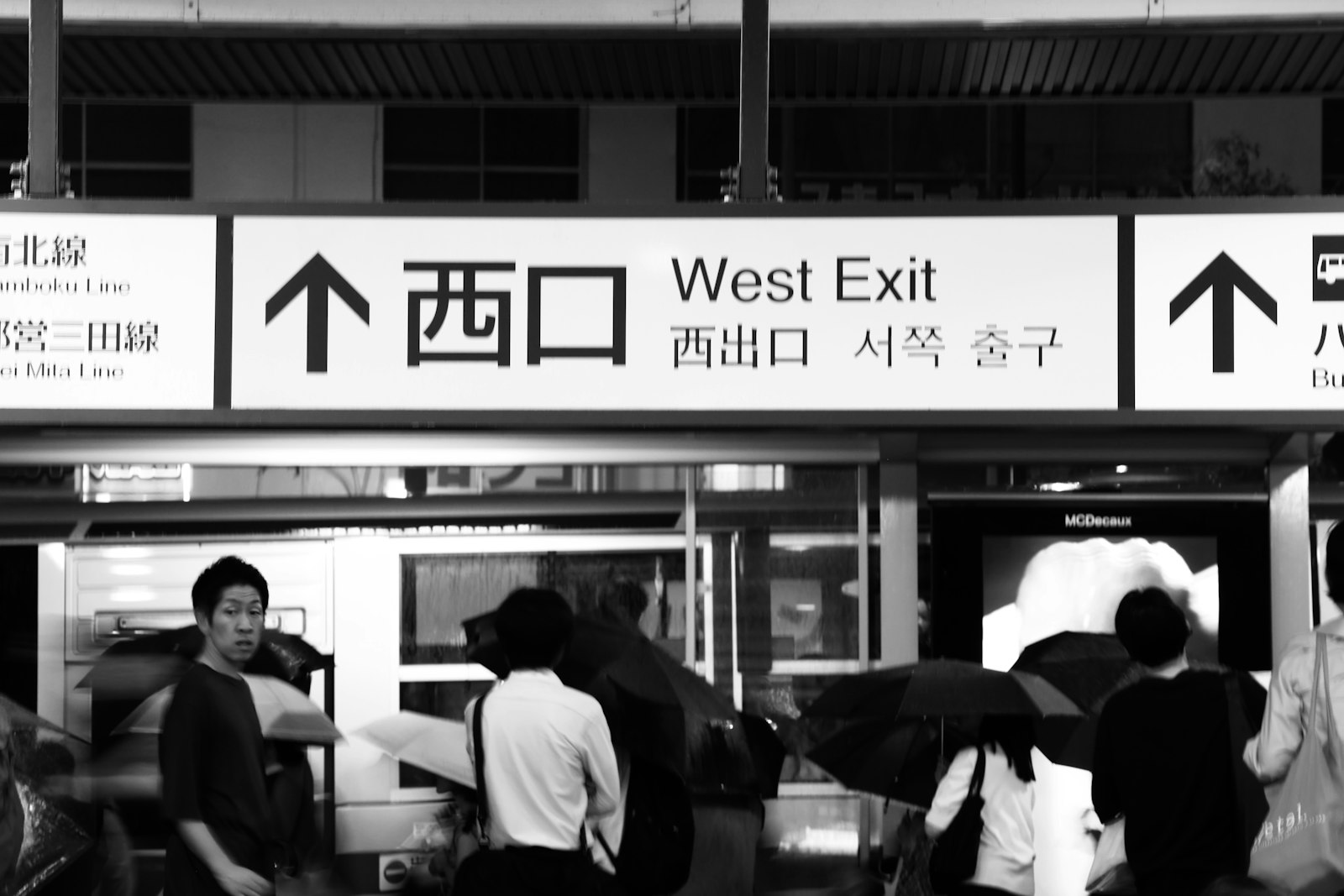
East, west, south, north. You'll see them on every multi-exit station: 東口 (east exit), 西口 (west exit), 南口 (south exit), 北口 (north exit). All JLPT N5.
- 東 (higashi) — east
- 西 (nishi) — west
- 南 (minami) — south
- 北 (kita) — north
11. 平日 / 休日 (heijitsu / kyūjitsu) — weekday / holiday
Critical on fare and timetable boards. Many trains run on different schedules on weekends and Japanese national holidays. 平日 = weekday. 休日 = holiday/day off. JLPT N4.
12. 料金 (ryōkin) — fare
The price. Above every fare adjustment machine and on every line map showing how much your trip costs. JLPT N3, but unavoidable if you want to know what to pay. The character 金 alone (kane / kin) means "money" or "gold" — also the kanji for Friday (金曜日).
Reading a real sign: 5 minutes of practice
Here's a fare adjustment machine at Tokyo Station. Try to read it before scrolling.
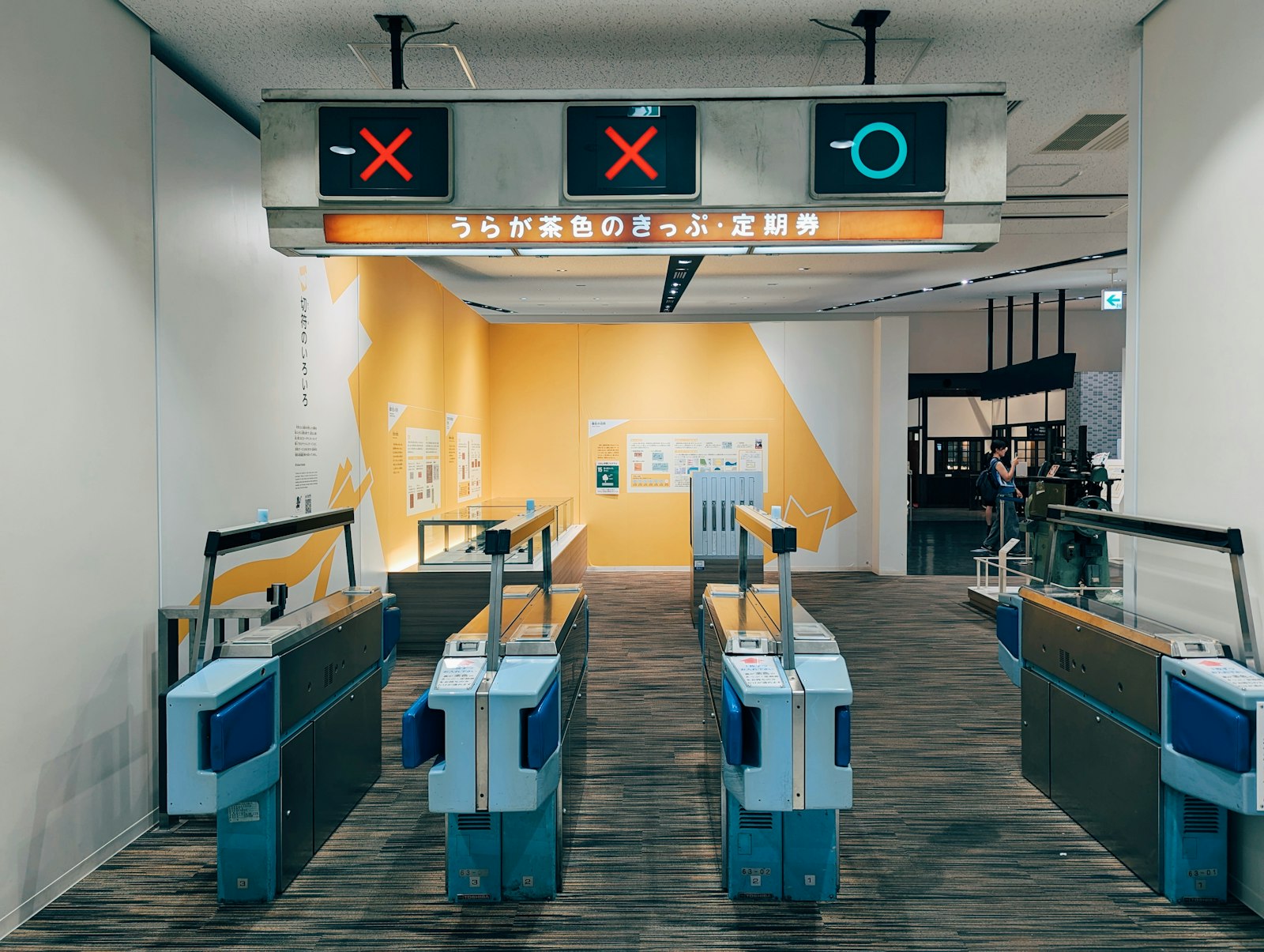
Top to bottom, the kanji you should now recognize:
- 料金調整 (ryōkin chōsei) — fare adjustment
- 乗越し (norikoshi) — fare overage (you went past where your ticket allowed)
- 改札口 (kaisatsuguchi) — the gate you came in through
Even if you don't know every word, recognizing 料金 + 改札口 tells you everything you need: this is where you pay if your ticket isn't enough.
How to actually memorize these
Reading kanji on paper is one thing. Reading them at speed, on a moving train, while tired — that's a different skill. Three things that work:
- Spaced repetition with real examples. Don't just learn 駅 in isolation; learn 東京駅, 新宿駅, 渋谷駅 as a set. The pattern locks in faster than the character alone.
- Read your commute. Pick one new kanji per week and look for it everywhere on your daily route. Real-world repetition beats flashcards.
- Sound it out loud. Saying "higashi-guchi" while looking at 東口 wires the reading and meaning together. Silent recognition is fragile.
Next steps
If you want a structured way to learn these and the rest of the JLPT N5 kanji, BetterLingo's kanji SRS uses real example words (not isolated characters) and tests you in context. Free tier covers all N5 kanji — you can start today.
Already studying? Try the N5 vocab quiz to see how many of these you can read at speed.
Photos via Unsplash; replaced with originals as we shoot Tokyo.